van insurance company 1 day van insurance uk van insurance van insurance compare compare van insurance uk
Thursday, 13 June 2013

Welcome to The Website!
This particular one is just freshly installed or under heavy development. Want one too? Go to Sauropol.com and sign up for free website!
Are you the site owner? To log in, type /editor after the site URL or head to www.sauropol.com/login.
van insurance quotes short term van insurance company van insurance business van insurance private van insurance
Saving providers letting customers down
A quarter of savings account complaints are not dealt with satisfactorily by banks, according to a new Which? investigation into banking problems.
commercial van insurance cheap van insurance quote cheap van insurance online Click here for more.. How to get cheap van insurance quotes
Wednesday, 12 June 2013
What Public Liability Cover do I need?
When you work on people’s properties and with members of the general public you may be susceptible to claims being made against you. No matter how good you are at your job accidents can happen and if you don’t have the right cover in place then you could end up having to pay a hefty compensation claim.
modified van insurance car van insurance monthly van insurance pay as you go van insurance fleet van insurance
When Should Parents Consider Child and Car Safety?
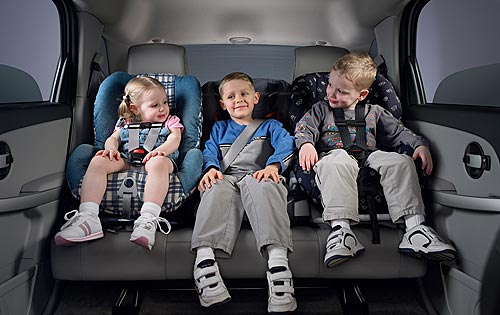
Keeping kids safe in the car is a concern for every parent. (image by babble.com)
If someone asked us when parents should consider and begin to practice child safety as it relates to cars, we’d answer that these things should start before their child is even born.
This may sound strange, but as any mother will tell you, the impact from a child begins months before birth. Thus, our answer to the previous question. Since mothers are carrying unborn children for the gestation period, child safety is impacted by the mother’s safety.
While expectant mothers are undergoing physical changes to their bodies, such as the expansion in their abdomens and widening of their hips in the first trimester — changes that continue for all 40 weeks they’ll carry their child — we suggest the same for them as we would any other driver. Wearing their seat belts.
We’ve heard the myth that seat belts endanger the lives of the unborn, but it’s just that — a myth, as long as seat belts are worn properly. That means expectant mothers should wear their seat belts, with the lap belt should be across her hips and below her belly, and the shoulder belt should be across her chest, between the breasts.
Car Seat Installation
With the new arrival of a bundle of joy, we shift from the safety of the mother to the child itself. It may be easy to think that installing a car seat is a simple matter. Put the child seat in the car, insert child, and we’re done, right?
Not so fast. The National Highway Transportation Safety Administration (NHTSA) says 75% of car seats are installed and/or used incorrectly. Fortunately, many hospitals have Child Passenger Safety (SPC) Technicians who can help parents of newborns properly install and secure their car seats.
But what do you do if you’re on your own? While the documentation and instructions included with the child seat is a good start, we think the NHTSA’s free child safety seatinspection centersare also worth the few minutes of time they’ll take to visit. These government-funded centers are based throughout the nation, and they’ll help to ensure a child seat is installed correctly,preferably using the LATCH system.
LATCH, or the Lower Anchors and Tethers for Children system, has been standard equipment on every car sold in the United States since 2002. All child seats produced since that time are also LATCH compliant. The system employs different sets ofÿanchors to be used with child restraints.
However, if you don’t have access to these resources then you’re left to install it yourself. With all the latches and straps installation may seem complicated. But don’t worry; we’ve got you covered below.
Installation for Infants
The primary role of a car seat for infants is to protect the head and neck, which are the most vulnerable to long-term complications in the event of a collision. There are two types of car seats for infants: rear-facing, infant-only; and convertible seats. Rear-facing, infant-only care seats are ideal for newborns but they become obsolete once the child grows to more than 20 pounds. When you’re installing your little one’s car seat we suggest you follow the steps outlined in the manufacturer’s instruction manual. However, here are some general tips that will help you properly secure your newborn. If you’re more of a visual learner you can watch installation videos provided by the NHTSA.
- If you can move the car seat more than an inch then the straps aren’t tight enough. To get them tight enough we suggest you find a way to put your weight into the car seat and then pull the straps as hard as you can. It’s important that the seat moves as little as possible while you’re in transit.
- Ensure the carrier straps are tight and the harness clip is even with your baby’s shoulders or armpits and the straps are in the slot that lines up close to the infant’s shoulders.
- If your baby has some extra space in the seat you can place rolled receiving blankets or towels on each side to keep him or her from wobbling. Avoid placing anything under the harness straps.
- Locking clips are necessary for some vehicles made before 1997. This is necessary because these vehicles don’t have seat belts that lock when the brakes are slammed, so the clip keeps belt from slipping if an accident occurs.
- Your baby’s head should be at least two inches below the top of the safety seat and make sure the seat is set at a 30 to 45-degree angle.
- You can see more tips at DMV.org or Kids Health.
Convertible seats, the alternative to rear-facing, infant-only seats, are designed so that they can be used by infants after they’re heavier than 20 pounds. When the baby reaches that weight the seat can be turned to face forward and it’s secured with three types of harnesses: T-shield, tray shield, and five-point. All of these types meet required safety standards, but the five-point harness is regarded as the best option since it can be tightened to fit snugly and it doesn’t get in the way of the baby’s head. When installing a convertible seat you should make sure all straps are as tight as possible to prevent it from wobbling.
Ages One to Three
While infants should always be placed in rear-facing car seats, once a child has reached at least one year of age and weighs at least 20 pounds they can utilize forward-facing child safety seats installed in the rear of the car. That being said, they’re safer in a rear-facing seat, so keep them in one for as long as possible.Forward-facing seats, like the ones that come before, should be installed using LATCH rather than seat belts, if possible. Here are some other tips:
- If you’re installing a forward-facing seat make sure it’s set directly against the back and bottom of the car seat. When you’re installing the seat make sure to put weight on the seat to push it back as far as possible so the straps will be as tight as they can be.
- Make sure the seat can’t move side to side or tip forward more than an inch. If it does then unbuckle it and try again.
- If your car was made before 1996 then you’ll probably need to buy a locking clip to prevent the lap and shoulder seat belts from slipping.
- Make sure the straps lie flat and tug on them to make sure they’re secure once your baby is fastened into the seat.
- If you can pinch any of the harness material between your fingers then it’s too loose and needs to be adjusted.
Ages Four to Seven
There are no rear-facing car seats available for this age group, and we don’t know of any children of this age group that would be content to sit facing the rear of the car. So, once a child reaches age four, you’ll have no choice but to move to a forward-facing seat.
Keep a child in this age range in their child seat until they outgrow either the height or weight limits specified by the seat manufacturer. Once this happens, it’s time to switch to a booster seat.
Ages Eight to Twelve
Once a child reaches eight years of age or is at least 4’9” tall, they should be placed in booster seats. Most booster seats simply elevate the child’s seating position and enable them to use the standard seat belts on a car. LATCH is not required nor should it be used with booster seats.
At some point during this period, you’ll likely transition the child from booster seat to just using the standard seat belt of the automobile with no otherÿencumbrances. Make sure they’re wearing the belt properly, with the lap portionÿacross their upper thighs and the shoulder portion across their chest.
Other Considerations
We’ve heard lots of chatter regarding the so-called “combination seats.” These seats are marketed as being able to go from a rear facing infant seat to a forward facing toddler seat and then finally to a booster seat for older children. A testing study performed by the Insurance Institute for Highway Safety (IIHS) found significant problemswith these combination seats.
Children should always ride in the back seat of a car, if possible, no matter if they’re in a car seat, a booster seat, or if they’re old enough to wear seat belts.ÿAll modern cars now have both driver side and passenger side front airbags, which are designed for full-sized adults. Airbags can injure or kill a child, and the back seat is simply the safest place in the car.
Finally, don’t assume that just because your child isn’t in a car that all auto-related dangers areÿabated. Child pedestrians are killed at a greater rate than any other age group. In fact,male children, aged 5 to 9 years old, are the largest group of pedestrians killed every year. Children can still fall victim to an automobile by darting into a road without looking or by playing on a street.
The post When Should Parents Consider Child and Car Safety? appeared first on CarInsurance.org.
Click here for more.. How to get cheap van insurance quotes Read more here.. Where to get cheap quotes Check out more...
hastings van insurance mercedes van insurance camper van insurance quotes vw van insurance short term van insurance uk
Saving Money On Your Temporary Van Insurance Premium
The utilization of long term cheap van insurance policy is really so popular amongst everyone using their van on a long term basis. On the other hand, not every individual is aware of how abundant they can save for their premiums when they basically utilize their van on limited time period basis primarily.
You could need a short term van insurance coverage that ranges from 1 day van insurance coverage to 28 days van insurance policy if your van usage is meant for short term use only. Another fantastic way to save on your premiums is the choice to choose whether or not you need a business cover or just a personal cover. So, why spend money for a protection plan that covers you all year when you only need coverage for a short while?
You can certainly save a huge amount of money once you go along with personal van insurance for forty eight hours Get up to 36 quotes here- http://www.cheapestvaninsurance.org/
Specifically Tailored For Businesses in Need of Short Term Van Insurance Cover
Business owners often look for van insurance coverage without actually knowing how much money they could save on short term van insurance coverage when they use their van on very short periods. Keeping a van insured all year round can be expensive especially when you do not use it all the time, but when you choose a temporary van insurance, you're guaranteed to save money instead of paying for a policy that you do not need.
Suitable for Short Breaks and Vacations with Family Members
You'll discover that having private van insurance is an ideal solution for your short term use of your van on vacations and holidays with your loved ones and close friends as well. While you may never use your van on a day to day basis, if you are going on a vacation, you may want to take a van since it has more room in it. However, if this scenario is true then there is no doubt you will not be needing an insurance policy of some sort. So a short term van insurance cover would be ideal for you.
Try not to go on your vacation without adequate van insurance cover that will protect you while you're gone.
Quick and Easily Obtainable
You'll also come across that private van insurance for 48 hours is simple and fast to have. Within a few minutes you can easily receive the policy you need online or on the web, In concluding, if you have a van you seldom make use of throughout the year, then you will need to buy a short-term van insurance policy that should cover you for the period. You can also obtain one day van insurance up to 28 days van insurance cover here- http://www.cheapestvaninsurance.org/one-day-van-insurance.html
http://www.cheapestvaninsurance.org/short-term-van-insurance.html
cheapestvaninsurance.org/pay-as-you-go-van-insurance-monthly-van-insurance-1-month-van-insurance.html
You could need a short term van insurance coverage that ranges from 1 day van insurance coverage to 28 days van insurance policy if your van usage is meant for short term use only. Another fantastic way to save on your premiums is the choice to choose whether or not you need a business cover or just a personal cover. So, why spend money for a protection plan that covers you all year when you only need coverage for a short while?
You can certainly save a huge amount of money once you go along with personal van insurance for forty eight hours Get up to 36 quotes here- http://www.cheapestvaninsurance.org/
Specifically Tailored For Businesses in Need of Short Term Van Insurance Cover
Business owners often look for van insurance coverage without actually knowing how much money they could save on short term van insurance coverage when they use their van on very short periods. Keeping a van insured all year round can be expensive especially when you do not use it all the time, but when you choose a temporary van insurance, you're guaranteed to save money instead of paying for a policy that you do not need.
Suitable for Short Breaks and Vacations with Family Members
You'll discover that having private van insurance is an ideal solution for your short term use of your van on vacations and holidays with your loved ones and close friends as well. While you may never use your van on a day to day basis, if you are going on a vacation, you may want to take a van since it has more room in it. However, if this scenario is true then there is no doubt you will not be needing an insurance policy of some sort. So a short term van insurance cover would be ideal for you.
Try not to go on your vacation without adequate van insurance cover that will protect you while you're gone.
Quick and Easily Obtainable
You'll also come across that private van insurance for 48 hours is simple and fast to have. Within a few minutes you can easily receive the policy you need online or on the web, In concluding, if you have a van you seldom make use of throughout the year, then you will need to buy a short-term van insurance policy that should cover you for the period. You can also obtain one day van insurance up to 28 days van insurance cover here- http://www.cheapestvaninsurance.org/one-day-van-insurance.html
http://www.cheapestvaninsurance.org/short-term-van-insurance.html
cheapestvaninsurance.org/pay-as-you-go-van-insurance-monthly-van-insurance-1-month-van-insurance.html
van insurance for convicted drivers refrigerated van insurance cheap 1 day van insurance compare cheap van insurance equity red star van insurance
Tuesday, 11 June 2013
Renters struggle to pay rent in current climate
A Which? survey has revealed that 47% of people who rent their proerty are finding it difficult on their current incomes.
temporary van insurance uk compare van insurance quotes day van insurance volkswagen van insurance hastings van insurance
Refinance in Colorado Springs, Colorado
Let us help you take the guesswork out of your home refinance in Colorado Springs, CO. We provide all the guides, tools and calculators needed to make an informed decision on refinancing. Rates can change throughout the day and week, but our easy search function allows to you to check local refinancing rates in Colorado Springs
cheap van insurance for under 25 short time van insurance weekend van insurance young drivers van insurance 6 month van insurance
Why You Need A Short Term Van Insurance Cover?
Over the years long term van insurance policies have been particularly very well-known owing to the amount of people embarking on new corporations. However though, short term van insurance policy have in no way experienced the same amount of recognition due to the temporary nature of the usage of individuals vans.
Generally there are also short term cheap van insurance- http://www.cheapestvaninsurance.org/ coverage ideal for you that hardly ever implement your van. These non permanent van insurance can easily range from one day van insurance to twenty eight days van insurance coverage. There are selections readily available for individual usage as well as commercial use as well when it comes to temporary cover.
Additionally, why buy an all year scheme as you only makes use of the van on couple of days of the year? This is complete waste of money. Huge sums of money could easily be saved when you opt for short-term van insurance plan.
Specifically Tailored For Businesses in Need of Short Term Van Insurance Cover
If you are into business and you use vans for short periods of time then temporary van insurance policy is what you need.
Keeping a van insured all year round can be expensive especially when you do not use it all the time, but when you choose a temporary van insurance, you're guaranteed to save money instead of paying for a policy that you do not need.
Excellent for Vacations
If you are embarking on a short vacation with members of your family and close friends, you'll discover that having a short term van insurance protection is what you need if you're serious about saving money on your policy.
Specifically Tailored For Businesses in Need of Short Term Van Insurance Cover
If you are into business and you use vans for short periods of time then temporary van insurance policy is what you need.
Keeping a van insured all year round can be expensive especially when you do not use it all the time, but when you choose a temporary van insurance, you're guaranteed to save money instead of paying for a policy that you do not need.
Excellent for Vacations
If you are embarking on a short vacation with members of your family and close friends, you'll discover that having a short term van insurance protection is what you need if you're serious about saving money on your policy.
Perhaps you may never use your van on a regular and consistent basis but if you are going on a short trip with friends and family then you cannot do without a van because it's got more room.
In this case you'll need some insurance while you're gone, so some short term van insurance will be just what you need. Endeavor not to go on your short trip without getting a temporary van insurance cover that would protect you while you're gone away.
Quick and Easy to Get
You will additionally come across that private van insurance for fourty eight hours is simple and fast to acquire. They could always be purchased online and in just a few minutes you are able to get the coverage that you need.
Quick and Easy to Get
You will additionally come across that private van insurance for fourty eight hours is simple and fast to acquire. They could always be purchased online and in just a few minutes you are able to get the coverage that you need.
Therefore, if you have a van which you barely drive, contemplate going with some kind of short term insurance when it's needed.
Other services that insurers offer to individuals and businesses includes; Autonet van insurance, tool insurance, van insurance comparison, van insurance quote, short term van insurance and many more.
Cheap Quotes in Minutes:
http://www.cheapestvaninsurance.org/one-day-van-insurance.html
http://www.cheapestvaninsurance.org/short-term-van-insurance.html
Check out more... When to obtain new quotes Click here now.. Why you need new quotes Read on to find out more..
Monday, 10 June 2013
8 high-paying, nontraditional college degrees
You don't need an engineering degree to earn big bucks. These majors offer similar salaries.
private van insurance quotes multi van insurance van insurance cover commercial van insurance comparison short term van insurance cover
What Are Deductibles?
Perhaps you’ve heard people say that one way to reduce your car insurance premiums is to increase your deductibles. But do you know what deductibles are? If not, we’ll explain them here. Needless to say, deductibles are part of the standard auto insurance policy everyone should be familiar with. They play an important role in how much we pay for our policies as well as how much we might potentially have to pay after an accident.
In the simplest terms possible, a deductible is the amount of money the customer is required to contribute in order to pay for repairs to a damaged vehicle. Deductibles apply in the case of collision and comprehensive insurance. So if you have a $500 deductible on your auto policy and you file a $5,000 claim after an accident, your insurance company will only pay $4,500. You will be responsible for the other $500.
It’s important to note that deductibles work on a “first pay” system. In other words, the customer pays the first $500 (or whatever the deductible is) and the insurance company picks up the rest. In some cases a repair shop may require customers to pay their portion before a vehicle will be released; others allow some time for the customer to pay his bill.
Why Deductibles Are Good
Deductibles can be looked at as a good thing for a couple of reasons. The first is the fact that they encourage consumers to shop around for repair estimates before choosing a garage; much the same way they shopped around for car insurance quotes before purchasing a policy.
They aren’t shopping around for the best price, mind you; they’re shopping around for the best quality. As long as it’s going to cost them $500 out of pocket they want a garage that will do the repair the right way. Even though it might cost more the insurance company a little bit more, there’s less of a risk that the consumer will come back with another claim because the first repair wasn’t done correctly.
Deductibles are also good in the sense that they encourage drivers to be more careful behind the wheel. With a significant deductible hanging over their heads they are more likely to drive safely and avoid accidents. That’s good for the individual driver, his car insurance company, and for everyone else on the road.
Why Deductibles Are Bad
Deductibles can be looked at as a bad thing from the perspective of insurance fraud. Unfortunately, garage owners and operators have figured out they can make customers happy by inflating repair estimates to cover their deductibles. In cases where an insurance company makes payments to the customer rather than the repair shop, this type of fraud is very easy to perpetrate. In cases where the insurance company pays the repair shop, it requires a little bit more cooperation between the shop and the customer.
It must be said that the vast majority of repair shops are going to be honest when it comes to estimates and deductibles. But the consumer needs to be aware of the possibility of fraud and make sure he’s not a participant or contributor. Insurance fraud accounts for millions of dollars in car insurance company payouts every year. Drivers who participate are only raising the rates for everyone.
Now that you know a little bit about deductibles you are better prepared to compare car insurance quotes. You can get lower rates if you’re willing to accept higher deductibles in exchange. On the other hand, you might be willing to pay a little more to avoid them.
budget van insurance van insurance uk temporary van insurance e van insurance van insurance quotes
The Rationale behind Car Insurance
It’s probably safe to say that no one reading this article remembers a day when car insurance was not available. If you’re a senior, you may remember a time when it was not mandatory in your state, but the earliest forms of car insurance go back to the late 1800s. It has been a part of all of our lives to one extent or another.
The first car insurance policy on record was written in 1889 to cover the liability of a man named Truman Martin. Mr. Martin owned an early steam powered automobile which, while it was a great invention, was a source of worry in that it could damage property or injure people.
If you want to know the rationale behind mandatory car insurance, that’s it.
Car insurance is a necessity in order to protect us from the carelessness of other people who might cause injury or property damage. If insurance was not mandatory too many people would be at risk of financial devastation after an accident.
How Car Insurance Evolved
The first policies written in the 1800s were pretty much an experiment, given the fact that underwriters really had no idea how much damage a car could cause. Furthermore, so few people had automobiles that accidents between multiple drivers were unheard of. Those early liability policies were more focused on the possibility of damaging buildings, road signs, and pitching posts.
By 1925 there were enough cars in the road to significantly increase the likelihood of multi-vehicle accidents. That forced the insurance industry to reassess cover drivers and effectively deal with the question of personal injuries. That transition paved the way for what is today’s modern car insurance product.
A Policy for Everyone
Whether or not you agree with the compulsory insurance laws in your state, it can’t be denied that healthy competition among car insurance companies has resulted in a wide range of policies and options. As such, there is a policy out there for just about every driver and every need. That’s a far cry from the “one size fits all” policies of the 1920s.
You and I can shop for the cheapest car insurance possible, purchase a comprehensive policy that will cover everything under the sun, or settle on something in between. We can choose between liability limits, different deductibles, and whether or not we want to add items from a long menu of options. In other words, we have enough options to make car insurance accessible and affordable for everyone.
Next time you’re shopping for a new insurance policy remember the rationale behind it. That may not make things any more pleasant in terms of the shopping experience itself, but understanding why car insurance is necessary may take some of the edge off. And, though we sincerely hope it never happens, you’ll get a full appreciation of the rationale behind car insurance if there ever comes a time when you need to make a claim against someone else’s liability policy.
6 month van insurance one week van insurance short van insurance mobile catering van insurance bedford van insurance
Sunday, 9 June 2013
10 Great Cars for New Parents
As an expecting parent, you will need to invest in a new car that can accommodate your new baby’s needs, including room in the back to properly install a car seat, additional space for storing a stroller and other baby supplies, and features like a sound system you can easily access and operate to play your baby’s favorite music. When you’re looking for a new car we suggest you search for cargo space, ease of access, standard features, available warranty, and the vehicle’s safety rating. Below you’ll find a list of 10 new cars selected for their ratings on several trusted websites, including J.D. Power and Associates, Edmunds, and Vroomgirls. Keep in mind that these cars aren’t listed in any particular order and they’re simply suggestions.
Honda CR-V:
- Base (LX) MSRP: $22,495
- MPG: 23 city/31 highway
Honda has become synonymous with quality, and its CR-V crossover is no exception. The 2012 edition offers space for five passengers, and the base model features automatic headlights, cloth seats, full power accessories, cruise control, and a rear view camera for added safety. Speaking of safety, the Honda CR-V comes with side curtain air bags and active head restraints. All of the CR-V’s trims come with a five speed automatic transmission that offers 185 horsepower and gets up to 31 mpg, making this an economical option in this class. The 2012 Honda CR-V won J.D. Power’s overall quality award, and it received top marks for its overall performance and design and predicted reliability.
Toyota RAV 4:
- Base (A4) MSRP: $22,650
- MPG: 22 city/28 highway
The Toyota RAV 4 is another “tweener” option for new parents who want space for numerous passengers but don’t want to drive a behemoth. The RAV 4 has enough space for five passengers and when the rear seats are folded down offers 73 cubic feet of cargo space. Standard features include keyless entry, a six-speaker sound system, some power accessories, and air conditioning. Safety-minded parents will find a good match in the RAV 4, which offers standard anti-lock disk brakes, traction control, front-seat and side air bags, and side curtain air bags. Similar to other vehicles in its class, the Toyota RAV 4 gets a combined 24 mpg from its 2.5-liter 179-horsepower engine. J.D. Power gave the RAV 4 top marks for overall quality, although it was judged average in overall performance and design and predicted reliability.
Toyota Venza Crossover:
- Base (LE) MSRP: $27,425
- MPG: 21 city/27 highway
Toyota’s Venza Crossover offers a roomy interior that accommodates five passengers and rides a little higher than most cars in its class. The base model features dual-zone automatic climate control, power accessories, and a six-speaker sound system with integrated Bluetooth connectivity. Although the standard features are nice, most parents are probably going to be more concerned about the car’s safety. The Toyota Venza has anti-lock disk brakes, traction control, and front-seat side, driver knee, and side curtain air bags. In government impact tests the Venza received four stars for rollover protection and five stars for side-impact protection, making this one of the safest cars on the road today. J.D. Power gave the 2012 Toyota Venza a four out of five for overall quality and predicted reliability, which shows this car could be a good long-term investment. The deal is sweetened by Toyota’s basic warranty, which covers 36 months or 36,000 miles, and its maintenance warranty of 24 months or 25,000 miles.
Honda Odyssey:
- Base (LX) MSRP: $28,375
- MPG: 18 city/27 highway
Similar to other large vans in our list, the Honda Odyssey has seating space for up to eight passengers and offers easy access via its sliding side doors and extra cargo space in the back for your baby’s supplies. Standard versions of this car come with cloth upholstery, full power accessories, keyless entry, cruise control, air conditioning, and a 60/40 split-folding third-row seat. Higher trims offer a rearview camera which could be helpful when you’re trying to back out of a parking spot. The 2012 Honda Odyssey performed exceedingly well in government crash tests: it received an overall rating of five out of five stars from the NHTSA and a “Good” rating, the highest available, for frontal-offset and side-impact crashes from the IIHS. The 2012 Honda Odyssey also received a five out of five rating for overall performance and design and a four out of five in overall quality from J.D. Power. However, the publication gave it a two out of five for predicted reliability, which is an issue you should be aware of as you shop around.
Ford Edge SUV:
- Base (SE) MSRP: $27,770
- MPG: 19 city/27 highway
The Ford Edge SUV is another medium-sized crossover vehicle that is ideal for parents who want plenty of space but aren’t interested in driving a van. This model’s standard features include air conditioning, full power accessories, cruise control, a tilt-and-telescope steering wheel, and more. Higher trim levels have other options, such as keyless entry code pad or an upgraded audio system. The base model comes with a 285 horsepower engine that gets up to 27 mpg, which is competitive for a car of its size. The Edge’s interior has space for five passengers and a large rear compartment that can store all of your baby’s supplies. The back row of seats can also be folded down for extra cargo space. Similar to other vehicles in this list, the 2012 Ford Edge SUV has received good reviews for safety. The NHTSA gave it an overall rating of four out of five stars, and it received a “Good” rating for roof strength and frontal offset and side-impact crashes.
Nissan Quest S (CVT):
- Base (S) MSRP: $25,990
- MPG: 19 city/24 highway
Stepping up in size is the Nissan Quest S CVT, which has space for seven passengers and standard features that include cruise control, ambient interior lighting, a four-speaker sound system, and a trip computer. Access to the second and third-row of seats, which are raised about the front-floor level to improve visibility, is aided by power sliding doors that open with a single touch. Under the hood the Quest has a 3.5-liter V-6 engine that offers 260 horsepower and a combined 21 mpg. The 2012 edition was one of the highest-rated vehicles by J.D. Power, which gave it five stars for its overall quality, performance, and design.
Nissan Murano SUV:
- Base (S) MSRP: $29,960
- MPG: 18 city/23 highway
Nissan’s Murano SUV offers a wide range of standard interior and safety features well-suited for new parents. The base model features dual-zone automatic climate control, cloth upholstery, some power accessories, and a six-speaker sound system. Higher trim packages offer other perks, such as rearview cameras and an upgraded sound system. Standard safety features include stability control, active front head restraints, anti-lock disc brakes, and front side and side curtain air bags. This model also has a pretty sizable rear storage space and the back row of seats can be set down to increase cargo space. The IIHS gave the 2012 Murano “Good” ratings for frontal offset and side-impact crash tests, and J.D. Power gave the SUV a five out of five for overall quality.
Toyota Prius C:
- Base (One) MSRP: $18,950
- MPG: 53 city/46 highway
The relatively compact Toyota Prius C delivers 50-plus MPG in the city, features no fewer than nine airbags, and has more interior room than it would appear from the outside. You’ll have to take a little more time to fit in a stroller and baby bag and the engine can be noisy under heavy acceleration, an issue that might put off parents of newborns. However, the Toyota Prius C’s price and top-of-the-line safety features make it a good option for new parents. The Prius C received “Good” ratings from the Insurance Institute for Highway Safety for all crash protection tests, and the hybrid model was named a top safety pick for 2012. J.D. Power gave the Toyota Prius C a four out of five for predicted reliability.
Kia Soul:
- Base (M6) MSRP: $13,900
- MPG: 25 city/30 highway
The stylish, well-priced Kia Soul compact hatchback offers plenty of space, utility, safety features, and a strong warranty. It has space for five passengers and the base model has cloth seats, full power accessories, USB audio jacks, and air condition. Cruise control, keyless entry, and other amenities are offered in the higher trim levels. The 2012 Soul has been updated with more powerful engines, 15-inch steel wheels, and wider tires. The base engine is a 1.6-liter four-cylinder that puts out 138 horsepower, while the plus version has a 2.0-liter engine rated at 164 horsepower. Although the plus version’s engine makes for a more exciting driving experience, the base model offers better gas mileage.
The Kia Soul’s safety features include side curtain air bags and stability control, and it received a “Good” rating, the highest possible, from the Insurance Institute for Highway Safety for frontal offset and side-impact crashes. Budget minded shoppers will like Kia’s basic warranty, which covers the car for 60 months or 60,000 miles. New buyers also receive a powertrain warranty that covers 120 months or 100,000 miles. J.D. Power awarded the 2012 Kia Soul awards for performance and quality. Although the Kia Soul isn’t the largest vehicle on the list it’s still a great option for new parents who want a fun car that meets their needs for space and safety.
Honda Pilot:
- Base (LX FWD) MSRP: $28,620
- MPG: 18 city/25 highway
With enough space for eight passengers, the Honda Pilot is one of the largest vehicles in its class. It offers a wide range of standard features, including full power accessories, split-folding second and third-row bench seats, and remote keyless entry. The higher trim levels offer a rearview camera which can be helpful for maneuvering out of parking spots safely. This car is powered by a 3.5-liter V-6 engine that is rated at 250 horsepower and gets as much as 25 mpg. In addition to its standard features, space, and relatively good gas mileage, the Honda Pilot has received high marks for its safety. The SUV, which comes with side curtain air bags for all three rows, received a frontal crash rating of four out of five stars from the National Highway Traffic Safety Administration. J.D. Power gave the 2012 Honda Pilot high marks for its overall quality and performance and design. Due to its size this may not be an ideal option for new parents, but could be a wise investment if the space is going to be needed in the future.
The post 10 Great Cars for New Parents appeared first on CarInsurance.org.
Related content.. Similar articles.. Read more.. Related posts.. Similar posts..
When to obtain new quotes Click here now.. Why you need new quotes Read on to find out more.. Related content..
young drivers van insurance 6 month van insurance one week van insurance short van insurance mobile catering van insurance
Mortgage rates in Dallas, Texas
While mortgage rates rose in the Dallas metro area this week, one of the area's real estate firms was listed among the top in the country. The benchmark 30-year fixed-rate mortgage in Dallas rose to 4.04 percent from 3.95 percent, according to the Bankrate.com national survey of large lenders. The mortgages in this week's survey had
van insurance compare compare van insurance uk cheapest van insurance uk online van insurance quote van insurance broker
Van Insurance: How Do I Get A Cheaper Quote Online?
Investing in vans or similar vehicles has resulted in many businesses doubling or even tripling their profits because of the role these vehicles play. From small scale one man business to large scale multi million pound organization, van use is an integral part of their daily activity and adequate van insurance cover is also essential for any type of van used- http://www.cheapestvaninsurance.org/
Adequate insurance cover does not come cheap thereby causing several businesses and sole traders to under insure their vehicles due to the exorbitant nature of insurance premiums. Finding an inexpensive van insurance premium can most times become a daunting task if you do not know how and where to find it- below are great tips you can adopt when searching for low- cost van insurance premium for your business.
No matter your circumstance; looking to renew your policy or wanting to buy a new policy, conducting a small research will take you a long way into saving you money by comparing premiums. The net has changed the way we search for data and information on this basis offers the ideal starting point for all reseach to be conducted.
Research Online and Save Time and Money
Manually sifting through dozens of van insurance quotes from numerous insurers is now an old fashioned way of doing things. By comparing quotes on comparison websites, you are guaranteed to find some of the cheapest quotes possible. Upon filling a form on the comparison site, your details and information is then passed unto other insurers who will then provide their quotes based on your requirements within minutes.
Not all van insurance offers will meet your policy expectations, however, there are still a lot of policies that are guaranteed to meet your desired level of cover at an affordable rate of premium. Upon settling for your chosen quote and insurer, endeavor to give the insurer a quick call to discuss and confirm the details of your chosen quote before buying your policy online.
Without a shadow of a doubt searching for cheap van insurance online is the most ideal place to begin your search using comparison websites, however, also call up the insurance company and try to decrease the quote even further down. An ample opportunity to uncover the details contained within the new policy document and clarify terms you're not familiar with. Upon providing your new or amended details to the insurer after the initial quote, they may now use the new information to revise their previous quote which could even become cheaper still.
Call Up Your New Insurers To Discuss The Policy
Insurance for van is a little more of a specialist type of cover than car or even home insurance. Apparently, not all insurance companies are able to returns quotes for specialists type of cover like for van insurance . Most times motorists just prefer to take the easiest option by settling for what they've been used to, in particular, things they've been familiar with in the past . However, if you're serious about reducing your premium you must to go the extra mile.
Shopping around for better quotes or premium is an essential requirement for getting cheaper premium whether you're happy with your current provider or not. Whether utilizing the services of a comparison website or approaching insurers directly, discovering 'budget' or 'bargain' van insurance premium ought to be reasonably easy and straightforward.
Securing a cheaper quote is an important ammunition in which you can persuade other insurers to give you a better quote or premium deal. On numerous times they will decline your request to change their quotes, however, this is just a simple means of establishing a conversation- who knows the insurer might even have a change of heart and reduce your premium even further.
Final Cross- Checks To Your Policy Coverage
At this critical stage before your policy acceptance, you will be in a better position to figure out what's best to retain or discard with your policy in order to keep your premium at a low. A typical example can include; protected no claims bonus, third party personal injury cover, legal expenses cover, private protection cover and lots more- but why allow them in your policy when you have no need for them in the first place?.
Obtaining a cheap van insurance premium entails taking out any unwanted extras withing the policy so you can pay for what you require only- thereby saving you money. Increasing your level of excess to an unscrupulous amount can be tempting, but always remember that should you be involved in an accident your insurers would request that you pay up the entire amount before your vehicle can be repaired. You will be astonished at how all this policy trimming can help you shed off significant amount of money.
Furthermore, to obtain a cheap van insurance premium that will not break the bank, you will need to go the extra mile. Whether that's researching alternative providers online or phoning your current insurer to see if they can remove any unnecessary baggage, there are plenty of options to help you get the right result.
Further Information-
http://www.cheapestvaninsurance.org/one-day-van-insurance.html
http://www.cheapestvaninsurance.org/short-term-van-insurance.html
http://www.cheapestvaninsurance.org/pay-as-you-go-van-insurance-monthly-van-insurance-1-month-van-insurance.html
http://www.cheapestvaninsurance.org/one-day-van-insurance.html
http://www.cheapestvaninsurance.org/short-term-van-insurance.html
http://www.cheapestvaninsurance.org/pay-as-you-go-van-insurance-monthly-van-insurance-1-month-van-insurance.html

compare van insurance prices cheap courier van insurance van insurance groups list white van insurance the cheapest van insurance
Saturday, 8 June 2013
Hot Car Deal – Peugeot 3008
Which? Car deals: The Peugeot 3008 'crossover' is based on the 308 platform, although it’s taller and more spacious. Here are three of the best deals around now
commercial van insurance comparison short term van insurance cover discount van insurance no deposit van insurance van insurance group
3 Smart Motorists Tricks For Paying Cheaper Premiums Every Year
Many businesses today can attribute their huge success to the everyday use of th (Read more ...)
multiple van insurance cheap van insurance for under 25 short time van insurance weekend van insurance young drivers van insurance
Retirement planning in Washington, DC
Put your capital to optimal use while retirement planning in Washington, DC, by utilizing our site where you will find numerous tips, calculators and guides. If you're searching for a low-risk investment with a better yield than your savings, consider a money market account for retirement planning. Our researchers survey money market accounts throughout the
When to obtain new quotes Click here now.. Why you need new quotes Read on to find out more.. Related content..
cheap 1 day van insurance compare cheap van insurance equity red star van insurance comparison van insurance hire and reward van insurance
Friday, 7 June 2013
Using Your Van Short Term? Then You Need A Temporary Van Insurance Cover
While many people need cheap van insurance (
[Error: Irreparable invalid markup ('<a http://thomas1975.insanejournal.com/1248.html">') in entry. Owner must fix manually. Raw contents below.]
While many people need cheap van insurance (<a href="http://www.cheapestvaninsur <b>(<a href="http://thomas1975.insanejournal.com/1248.html">Read more ...</a>)</b>
commercial van insurance quote cheap commercial van insurance van insurance any driver van insurance companies one day van insurance
Cheap Car Insurance for College Students
If you have a college student heading off to school this fall, the last thing you need to worry about is making sure he or she has cheap car insurance. With all the expenses involved in sending a child to school it’s helpful to pay as little as possible. Thankfully, cheap car insurance is available.
The law in most states is very friendly to college students as it relates to car insurance. We’ll get to that in just a minute. For now it’s important to know that you and your students don’t have to simply settle for whatever your current car insurance company offers you. You can look around and compare offers from competing companies.

Keeping a Student on Your Policy
The best way to ensure the most affordable price for your student is to keep him or her on your policy for as long as possible. In most states, that means age 26. As long as your child is attending college or university during those years, he or she can be included on your policy under the student classification. Check with your insurance company to verify any upward age limits.
Also, consider there might be some residency restrictions. For example, if your child is attending school out of state he or she can remain on your policy as long as they do not continue to reside in that state while school is not in session. If they stay away from home year-round, they may be considered an independent adult requiring their own car insurance policy.
The Car Your Student Drives
The next thing to consider is the car your student drives. Car insurance companies base premiums, in part, on the make, model, and age of a car. They do so for two reasons:
- liability insurance – larger, heavier vehicles are more likely to do more damage in an accident
- comprehension/collision insurance – newer and more expensive vehicles cost more to repair or replace
If you want the cheapest car insurance possible for your college student, encourage him or her to buy a car that is older, does not require a blank loan, and is classified as a compact or subcompact. This will allow you to get the cheapest liability and comprehensive/collision rates.
If your student will be living at home and driving one of your vehicles, make sure your insurance company assigns them to the oldest and least valuable car. That’s not to say they cannot drive your new vehicle from time to time; rather, it is to say the older vehicle will be their primary mode of transportation.
Student Driver Discounts
An important part of cheap car insurance for college students are the discounts some insurance companies offer. One of the more popular of those discounts is one given for good grades. As the thinking goes, a student with good grades is less likely to be careless, will have less time for leisure activities, and will take their responsibilities behind the wheel more seriously.
If your student is eligible for the good grades discount, he or she will have to provide the insurance company with the proper records to demonstrate those grades. Those records can be obtained from the college or university they are attending.
Shop, Compare, Buy
When you are ready to start looking for a policy, we recommend you shop online. Using a website like ours is the quickest and easiest way to get multiple quotes. And with quotes in hand all that’s left to do is compare and buy. It’s just that simple.
For the cheapest insurance possible, remember to compare quotes at least once per year. Otherwise, you’ll never know if you are paying too much.
evan van insurance commercial van insurance any driver non commercial van insurance 1 week van insurance van insurance young drivers
The 'undead' and other life insurance fraud
Schemes, including faked deaths and forgeries, raise costs for honest life insurance customers.
More sites on related content.. van insurance comparison cheap commercial van insurance Commercial van insurance comparison commercial van insurance quote
Thursday, 6 June 2013
Drunk Driving Classifications by State
While “DUI” is the most common classification for drunk driving, not every state uses DUI or driving under the influence when it comes to drunk driving convictions and arrests.
The following states use the term DUI: Alabama, Arizona, California, Colorado, Connecticut, Delaware, Washington DC, Florida, Georgia, Idaho, Illinois, Kansas, Kentucky, Maryland, Michigan, Mississippi, Montana, Nebraska, Nevada, New Hampshire, North Dakota, Oklahoma, Oregon, Pennsylvania, South Carolina, South Dakota, Tennessee, Utah, Vermont, Virginia, Washington, West Virginia and Wyoming.
Still, DUI is not the only classification for drunk driving in these states. For example, in Colorado or New York you may also be arrested and charged with DWAI, which stands for driving while ability impaired. DWAI is a lesser charge than DUI, meaning that your blood alcohol concentration was between .05% and .079% at the time of the arrest. The sanctions against one’s driving privilege are also less for a DWAI charge.
Not as many states recognize the term DWI, which stands for driving while intoxicated. There are also certain states like Minnesota or New Mexico that only use the term DWI for drunk driving convictions. The states that use DWI are: Arkansas, Louisiana, Minnesota, Missouri, New Jersey, New Mexico, New York, North Carolina and Texas.
OUI or operating under the influence is a term used in the states of Maine and Rhode Island. OVI or operating a vehicle while impaired is a term used in Ohio. OWI or operating while intoxicated is a term used in Indiana, Iowa and Wisconsin.
There are also certain states that will use the term “OMVI” or operating a motor vehicle intoxicated. “OUID” or operating under the influence of drugs is used in some states. “OUIL” or operating under the influence of liquor is also used in a few states.
So as you can see just because someone is considered DUI in one state, does not necessarily mean that a person arrested for drunk driving in another state is necessarily facing a DUI charge.
Regardless of how your alcohol offense is classified, if you need SR22 or FR44 auto insurance, call Serenity Insurance for a free quote: 1-800-774-0520 or visit www.serenitygroup.com and submit a free quote request today. Serenity Insurance specializes in providing SR22 insurance for drivers with alcohol offenses and has access to the most affordable rates. Contact Serenity Insurance today!

cheap van insurance quote cheap van insurance online Click here for more.. How to get cheap van insurance quotes Read more here..
Council fined for safety breach
The Dumfries Sheriff Court has fined Dumfries and Galloway Council £40,000 for safety failures that led to severe injuries for one road repairman.
admiral van insurance van insurance quote uk direct van insurance modified van insurance car van insurance
Money market account and rates in Auburn-Phenix City, Alabama
It's a tough time out there for savers, but there are still some decent yields available. For example, one institution in our Alabama survey is offering 0.84 percent on a money market account. That's almost three-fourths of a percentage point more than the national average. Use our research to find a money market account and
the cheapest van insurance top 10 van insurance car and van insurance combined van insurance for convicted drivers refrigerated van insurance
Wednesday, 5 June 2013
Refinance in Honolulu, Hawaii
Take the guesswork out of your home refinance in Honolulu, HI, by checking out all the guides, tools and calculators needed to make an informed decision on refinancing. Refinancing rates can change throughout the day and week, but our easy rates search function allows to you to check local refinancing rates in Honolulu and throughout
van insurance any driver over 25 compare market van insurance young driver van insurance van insurance for a day specialist van insurance
The Men Who Run Legal & General Group Plc
Management can make all the difference to a company's success and thus its share price. The best companies are those run by talented and experienced leaders with strong vested interests in the success ...
courier van insurance van insurance van insurance comparison site cheap van insurance
Few Tips That Could Save You A Fortune On Your Van Insurance Bill
The use of vans in businesses cannot be over-emphasized, hence, they play a pivotal role in the daily activities of every business. Irrespective of whatever services or business operations vans are used for, whether moving goods from one location to another or used for carrying building tools and machinery, all vans must be protected by an up to date van insurance policy.
Due to the expensive nature of certain insurance policies, a huge majority of small businesses now underinsure their vans in order to save money on their policies. Below are some few tips and tricks that will help you obtain that elusive cheap van insurance quotes you've been searching for.
If you're looking to renew the current policy or wanting to buy a new one, you can increase your chances of finding a cheaper premium by conducting research that would help you unveil the cheapest and best quote for you or your business. The net has changed the way we search for data and information on this basis offers the ideal starting point for all reseach to be conducted.
Research Online and Save Time and Money
Typically, not a lot of individuals and businesses posses the time and patience to be calling insurers one by one to obtain quotes with the view of saving money on their premium. Using the services of a van insurance comparison website is an ideal way of saving you time and money because they compare quotes from dozens of van insurance companies to bring you the cheapest quotes. What you'll need to do is complete the form on the site as accurately as possible and then see and go through live quotes from hundreds of other insurers within a few minute.
However though, not all quotes will be suitable for your needs, you will discover that some insurers will be in a much better position to provide you with a decent level of cover at a low cost rate . Armed with your chosen quote, it's time to call up the insurer to discuss details of the policy and to see if you can get an even further reduction on your premium. There is no harm in trying.
Calling the insurer after settling for your chosen quote to see whether they can reduce it further is the best way to obtain the best deal possible. It's an ideal opportunity for you to determine what is contained within the policy you're buying and what is not in it. After giving the insurance company any new information reagarding your policy, they should now be in a much better state to give you their final quote.
Phone Up Your Insurer To Discuss The Policy
Insurance for van is a little more of a specialist type of cover than car or even home insurance. Not every insurance company can offer you competitive quotes. Most times motorists just prefer to take the easiest option by settling for what they've been used to, in particular, things they've been familiar with in the past . Nonetheles, if you're serious about obtaining cheaper premiums you might just want to go deeper.
Being contented with your current premium does not really stop you from shopping around and obtaining a cheaper quote elsewhere. Finding cheap van insurance quotes can be extremely very easy no matter what means of search you implore- a number of motorists often prefer comparison websites while others prefer to approach individual insurer one by one.
You can easily use a cheaper quote to obtain a more cheaper premium by using it to approach another insurer so they can try and offer you a much lesser quotation- it's been one of the oldest trick in the insurance industry. Really, they are not obligated to change their quote, and majority of insurers will not bulge, but it gives a great way of opening the lines of communication and opening the possibility of lowering your premiums without changing policy.
Verifying Your Policy
Bare in mind that your utmost goal is to lower your premium quiet considerably, so you should decide what part of your policy is needed and what's not, in order to maintain a balance between reasonable premium and adequate cover. Typically, insurers would like to cross sell you on other insurance packages like legal expenses cover, personal injury cover, European cover and lots more. But, there isn't any point buying any of these package when you really do not need them.
Taking out all unwanted products from the policy before buying is the ideal way to save money on your premium, products like accidental break down cover, legal expenses, third party injury liability, personal effect protection are just a few to keep an eye out for. Increasing your level of excess to an unscrupulous amount can be tempting, but always remember that should you be involved in an accident your insurers would request that you pay up the entire amount before your vehicle can be repaired. Saving a significant amount from your premium can only be attained when you eradicate unwanted optional extras.
Lessons to be learned here is that to get a cheap van insurance premium, you'll have to be prepared to fold your sleaves and dig dirty. Irrespective of you conducting researches that involves you calling your prospective insurer or getting quotes from numerous insurers, there are many different choices you could make to get you the right outcome.
More resources:
http://www.cheapestvaninsurance.org/
http://www.cheapestvaninsurance.org/one-day-van-insurance.html,
http://www.cheapestvaninsurance.org/short-term-van-insurance.html
best van insurance van insurance quotes online van insurance for young drivers commercial van insurance quote cheap commercial van insurance
Tuesday, 4 June 2013
Don't get tangled in these Social Security snares
If you earn too much, your benefits might get taxed -- or even reduced. Follow these tips.
van insurance comparison budget van insurance van insurance uk temporary van insurance cheap van insurance quotes
Monday, 3 June 2013
Seat release special edition Mii city car
Seat has unveiled the Mii Vibora Negra - a hot-hatch take on its new city car. But don’t be fooled by the looks; it has the same performance as a standard Mii.
Click here now.. Why you need new quotes Read on to find out more.. Related content.. Similar articles..
Read more here.. Where to get cheap quotes Check out more… When to obtain new quotes Click here now..
Click here now.. Why you need new quotes Read on to find out more.. Related content.. Similar articles..
camper van insurance any driver van insurance van insurance brokers commercial van insurance quotes admiral van insurance
Save, or pay down card debt?
Should you save money if you have credit card debt?
compare van insurance quotes day van insurance volkswagen van insurance hastings van insurance mercedes van insurance
Drunk Driving Classifications by State
While “DUI” is the most common classification for drunk driving, not every state uses DUI or driving under the influence when it comes to drunk driving convictions and arrests.
The following states use the term DUI: Alabama, Arizona, California, Colorado, Connecticut, Delaware, Washington DC, Florida, Georgia, Idaho, Illinois, Kansas, Kentucky, Maryland, Michigan, Mississippi, Montana, Nebraska, Nevada, New Hampshire, North Dakota, Oklahoma, Oregon, Pennsylvania, South Carolina, South Dakota, Tennessee, Utah, Vermont, Virginia, Washington, West Virginia and Wyoming.
Still, DUI is not the only classification for drunk driving in these states. For example, in Colorado or New York you may also be arrested and charged with DWAI, which stands for driving while ability impaired. DWAI is a lesser charge than DUI, meaning that your blood alcohol concentration was between .05% and .079% at the time of the arrest. The sanctions against one’s driving privilege are also less for a DWAI charge.
Not as many states recognize the term DWI, which stands for driving while intoxicated. There are also certain states like Minnesota or New Mexico that only use the term DWI for drunk driving convictions. The states that use DWI are: Arkansas, Louisiana, Minnesota, Missouri, New Jersey, New Mexico, New York, North Carolina and Texas.
OUI or operating under the influence is a term used in the states of Maine and Rhode Island. OVI or operating a vehicle while impaired is a term used in Ohio. OWI or operating while intoxicated is a term used in Indiana, Iowa and Wisconsin.
There are also certain states that will use the term “OMVI” or operating a motor vehicle intoxicated. “OUID” or operating under the influence of drugs is used in some states. “OUIL” or operating under the influence of liquor is also used in a few states.
So as you can see just because someone is considered DUI in one state, does not necessarily mean that a person arrested for drunk driving in another state is necessarily facing a DUI charge.
Regardless of how your alcohol offense is classified, if you need SR22 or FR44 auto insurance, call Serenity Insurance for a free quote: 1-800-774-0520 or visit www.serenitygroup.com and submit a free quote request today. Serenity Insurance specializes in providing SR22 insurance for drivers with alcohol offenses and has access to the most affordable rates. Contact Serenity Insurance today!
1 month van insurance nfu van insurance very cheap van insurance highway van insurance motor van insurance
Sunday, 2 June 2013
Retirement planning in Rochester, Minnesota
On the lookout for tips on retirement planning in Rochester, MN? Raise your strategy and let our site do the work for you. Use our tools, calculators and guidelines to satisfy all your retirement planning needs. Consider investing in a money market account as a safe and secure vehicle for retirement planning in Rochester, MN.
Check out our money market account comparison tools
Check out our money market account comparison tools
How to get cheap van insurance quotes Read more here.. Where to get cheap quotes Check out more… When to obtain new quotes
van insurance comparison budget van insurance van insurance uk temporary van insurance cheap van insurance quotes
Refinance in Grand Rapids, Michigan
Take the fear out of your refinance in Grand Rapids, MI, by using the tools we provide to help guide you in your decision. Refinancing rates can change throughout the day and week, but our easy rates search function allows you to check local refinancing rates in Grand Rapids and throughout Michigan. Refinance mortgage
cheap van insurance quote cheap van insurance online Click here for more.. How to get cheap van insurance quotes Read more here..
Saturday, 1 June 2013
10 Great Cars for New Parents
As an expecting parent, you will need to invest in a new car that can accommodate your new baby’s needs, including room in the back to properly install a car seat, additional space for storing a stroller and other baby supplies, and features like a sound system you can easily access and operate to play your baby’s favorite music. When you’re looking for a new car we suggest you search for cargo space, ease of access, standard features, available warranty, and the vehicle’s safety rating. Below you’ll find a list of 10 new cars selected for their ratings on several trusted websites, including J.D. Power and Associates, Edmunds, and Vroomgirls. Keep in mind that these cars aren’t listed in any particular order and they’re simply suggestions.
Honda CR-V:
- Base (LX) MSRP: $22,495
- MPG: 23 city/31 highway
Honda has become synonymous with quality, and its CR-V crossover is no exception. The 2012 edition offers space for five passengers, and the base model features automatic headlights, cloth seats, full power accessories, cruise control, and a rear view camera for added safety. Speaking of safety, the Honda CR-V comes with side curtain air bags and active head restraints. All of the CR-V’s trims come with a five speed automatic transmission that offers 185 horsepower and gets up to 31 mpg, making this an economical option in this class. The 2012 Honda CR-V won J.D. Power’s overall quality award, and it received top marks for its overall performance and design and predicted reliability.
Toyota RAV 4:
- Base (A4) MSRP: $22,650
- MPG: 22 city/28 highway
The Toyota RAV 4 is another “tweener” option for new parents who want space for numerous passengers but don’t want to drive a behemoth. The RAV 4 has enough space for five passengers and when the rear seats are folded down offers 73 cubic feet of cargo space. Standard features include keyless entry, a six-speaker sound system, some power accessories, and air conditioning. Safety-minded parents will find a good match in the RAV 4, which offers standard anti-lock disk brakes, traction control, front-seat and side air bags, and side curtain air bags. Similar to other vehicles in its class, the Toyota RAV 4 gets a combined 24 mpg from its 2.5-liter 179-horsepower engine. J.D. Power gave the RAV 4 top marks for overall quality, although it was judged average in overall performance and design and predicted reliability.
Toyota Venza Crossover:
- Base (LE) MSRP: $27,425
- MPG: 21 city/27 highway
Toyota’s Venza Crossover offers a roomy interior that accommodates five passengers and rides a little higher than most cars in its class. The base model features dual-zone automatic climate control, power accessories, and a six-speaker sound system with integrated Bluetooth connectivity. Although the standard features are nice, most parents are probably going to be more concerned about the car’s safety. The Toyota Venza has anti-lock disk brakes, traction control, and front-seat side, driver knee, and side curtain air bags. In government impact tests the Venza received four stars for rollover protection and five stars for side-impact protection, making this one of the safest cars on the road today. J.D. Power gave the 2012 Toyota Venza a four out of five for overall quality and predicted reliability, which shows this car could be a good long-term investment. The deal is sweetened by Toyota’s basic warranty, which covers 36 months or 36,000 miles, and its maintenance warranty of 24 months or 25,000 miles.
Honda Odyssey:
- Base (LX) MSRP: $28,375
- MPG: 18 city/27 highway
Similar to other large vans in our list, the Honda Odyssey has seating space for up to eight passengers and offers easy access via its sliding side doors and extra cargo space in the back for your baby’s supplies. Standard versions of this car come with cloth upholstery, full power accessories, keyless entry, cruise control, air conditioning, and a 60/40 split-folding third-row seat. Higher trims offer a rearview camera which could be helpful when you’re trying to back out of a parking spot. The 2012 Honda Odyssey performed exceedingly well in government crash tests: it received an overall rating of five out of five stars from the NHTSA and a “Good” rating, the highest available, for frontal-offset and side-impact crashes from the IIHS. The 2012 Honda Odyssey also received a five out of five rating for overall performance and design and a four out of five in overall quality from J.D. Power. However, the publication gave it a two out of five for predicted reliability, which is an issue you should be aware of as you shop around.
Ford Edge SUV:
- Base (SE) MSRP: $27,770
- MPG: 19 city/27 highway
The Ford Edge SUV is another medium-sized crossover vehicle that is ideal for parents who want plenty of space but aren’t interested in driving a van. This model’s standard features include air conditioning, full power accessories, cruise control, a tilt-and-telescope steering wheel, and more. Higher trim levels have other options, such as keyless entry code pad or an upgraded audio system. The base model comes with a 285 horsepower engine that gets up to 27 mpg, which is competitive for a car of its size. The Edge’s interior has space for five passengers and a large rear compartment that can store all of your baby’s supplies. The back row of seats can also be folded down for extra cargo space. Similar to other vehicles in this list, the 2012 Ford Edge SUV has received good reviews for safety. The NHTSA gave it an overall rating of four out of five stars, and it received a “Good” rating for roof strength and frontal offset and side-impact crashes.
Nissan Quest S (CVT):
- Base (S) MSRP: $25,990
- MPG: 19 city/24 highway
Stepping up in size is the Nissan Quest S CVT, which has space for seven passengers and standard features that include cruise control, ambient interior lighting, a four-speaker sound system, and a trip computer. Access to the second and third-row of seats, which are raised about the front-floor level to improve visibility, is aided by power sliding doors that open with a single touch. Under the hood the Quest has a 3.5-liter V-6 engine that offers 260 horsepower and a combined 21 mpg. The 2012 edition was one of the highest-rated vehicles by J.D. Power, which gave it five stars for its overall quality, performance, and design.
Nissan Murano SUV:
- Base (S) MSRP: $29,960
- MPG: 18 city/23 highway
Nissan’s Murano SUV offers a wide range of standard interior and safety features well-suited for new parents. The base model features dual-zone automatic climate control, cloth upholstery, some power accessories, and a six-speaker sound system. Higher trim packages offer other perks, such as rearview cameras and an upgraded sound system. Standard safety features include stability control, active front head restraints, anti-lock disc brakes, and front side and side curtain air bags. This model also has a pretty sizable rear storage space and the back row of seats can be set down to increase cargo space. The IIHS gave the 2012 Murano “Good” ratings for frontal offset and side-impact crash tests, and J.D. Power gave the SUV a five out of five for overall quality.
Toyota Prius C:
- Base (One) MSRP: $18,950
- MPG: 53 city/46 highway
The relatively compact Toyota Prius C delivers 50-plus MPG in the city, features no fewer than nine airbags, and has more interior room than it would appear from the outside. You’ll have to take a little more time to fit in a stroller and baby bag and the engine can be noisy under heavy acceleration, an issue that might put off parents of newborns. However, the Toyota Prius C’s price and top-of-the-line safety features make it a good option for new parents. The Prius C received “Good” ratings from the Insurance Institute for Highway Safety for all crash protection tests, and the hybrid model was named a top safety pick for 2012. J.D. Power gave the Toyota Prius C a four out of five for predicted reliability.
Kia Soul:
- Base (M6) MSRP: $13,900
- MPG: 25 city/30 highway
The stylish, well-priced Kia Soul compact hatchback offers plenty of space, utility, safety features, and a strong warranty. It has space for five passengers and the base model has cloth seats, full power accessories, USB audio jacks, and air condition. Cruise control, keyless entry, and other amenities are offered in the higher trim levels. The 2012 Soul has been updated with more powerful engines, 15-inch steel wheels, and wider tires. The base engine is a 1.6-liter four-cylinder that puts out 138 horsepower, while the plus version has a 2.0-liter engine rated at 164 horsepower. Although the plus version’s engine makes for a more exciting driving experience, the base model offers better gas mileage.
The Kia Soul’s safety features include side curtain air bags and stability control, and it received a “Good” rating, the highest possible, from the Insurance Institute for Highway Safety for frontal offset and side-impact crashes. Budget minded shoppers will like Kia’s basic warranty, which covers the car for 60 months or 60,000 miles. New buyers also receive a powertrain warranty that covers 120 months or 100,000 miles. J.D. Power awarded the 2012 Kia Soul awards for performance and quality. Although the Kia Soul isn’t the largest vehicle on the list it’s still a great option for new parents who want a fun car that meets their needs for space and safety.
Honda Pilot:
- Base (LX FWD) MSRP: $28,620
- MPG: 18 city/25 highway
With enough space for eight passengers, the Honda Pilot is one of the largest vehicles in its class. It offers a wide range of standard features, including full power accessories, split-folding second and third-row bench seats, and remote keyless entry. The higher trim levels offer a rearview camera which can be helpful for maneuvering out of parking spots safely. This car is powered by a 3.5-liter V-6 engine that is rated at 250 horsepower and gets as much as 25 mpg. In addition to its standard features, space, and relatively good gas mileage, the Honda Pilot has received high marks for its safety. The SUV, which comes with side curtain air bags for all three rows, received a frontal crash rating of four out of five stars from the National Highway Traffic Safety Administration. J.D. Power gave the 2012 Honda Pilot high marks for its overall quality and performance and design. Due to its size this may not be an ideal option for new parents, but could be a wise investment if the space is going to be needed in the future.
The post 10 Great Cars for New Parents appeared first on CarInsurance.org.
Related content.. Similar articles.. Read more.. Related posts.. Similar posts..
When to obtain new quotes Click here now.. Why you need new quotes Read on to find out more.. Related content..
limited company van insurance van insurance no deposit 7 day van insurance quinn van insurance multiple van insurance
Subscribe to:
Posts (Atom)